Any business that relies on a fleet of vehicles has to find the best way to transport its supplies. Open and enclosed service bodies are the two main options, and each comes with real trade-offs worth weighing before buying.
Key Takeaways
- Enclosed bodies protect against theft and weather but can make gear harder to reach without well-designed compartments.
- Open bodies give easy, visible access to gear but leave it more exposed to weather and theft.
- Material matters too: aluminum resists corrosion, steel offers more storage at a lower cost, and fiberglass stays lightweight without rusting.
What does an enclosed service body actually offer?
An enclosed body provides a secure cargo area for storing valuable items, protecting supplies and materials from theft and damage while keeping them organized and accessible in dedicated compartments. It also tends to be more aerodynamic than an open body, which can help with fuel economy by reducing wind resistance, and it shields cargo from the elements to keep equipment in good condition longer.
The trade-off is cost: enclosed bodies are typically more expensive to buy and maintain, and their compartment doors can limit visibility into the cargo area compared to an open bed.
What does an open service body offer instead?
An open body’s biggest advantage is easy access: everything in the cargo area is visible and reachable without navigating compartment doors, which makes loading and unloading large or bulky items faster. Open bodies also tend to be lighter than enclosed models, which can improve fuel efficiency, and the added visibility helps when hauling larger items that need careful placement.
Whether the work is contracting, plumbing, or landscaping, an open service body can make certain jobs more efficient, at the cost of less protection from weather and theft than an enclosed setup provides.
Which body material actually fits your climate and budget?
Material matters as much as body style. Aluminum service bodies are lighter and more corrosion-resistant than steel, which makes them a strong choice in coastal areas or other environments where corrosion is a real concern; they’re also more dent-resistant for businesses that regularly haul heavy equipment.
Steel utility bodies are more durable and offer more storage space than aluminum, and they’re typically less expensive, which makes them a solid option on a tighter budget.
Fiberglass service bodies are lightweight yet durable, resist rust and corrosion in wet or salty conditions, and are easy to clean and maintain, all reasons SpaceKap builds its product line from fiberglass rather than metal.
How do you actually decide between the two for your fleet?
Both options serve businesses that need to haul equipment or tools, but the right choice depends on what the truck will actually be used for. An enclosed body offers more protection from weather and helps keep cargo secure. An open body offers easier access and can cost less to purchase. Whichever direction fits best, pairing it with quality accessories like shelving and secure storage keeps tools and gear protected and ready to go.
See it on real trucks
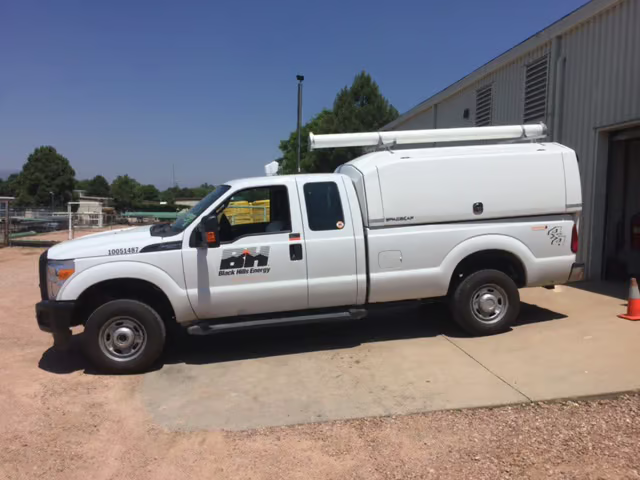
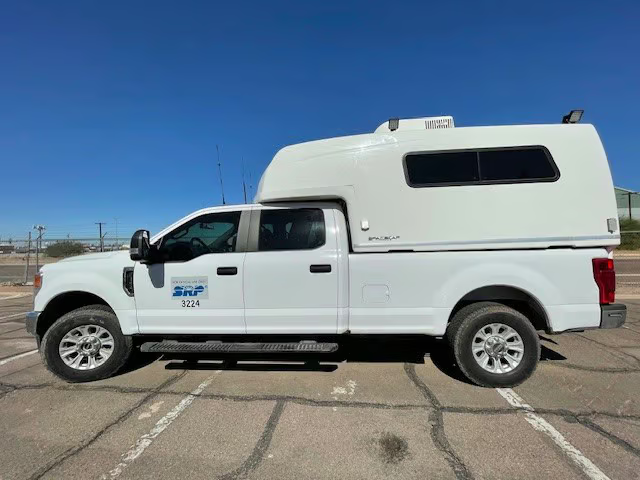
Spacekap units in service with our customers.

Frequently Asked Questions
Is an enclosed or open service body more secure?
An enclosed body is more secure, since equipment stays hidden inside compartments rather than visible in an open bed, making it harder for thieves to access.
Is a SpaceKap service body hard to install?
No. A SpaceKap install kit only requires a forklift with 8′ lifting bars, and the process typically takes an hour or two.
What material are SpaceKap service bodies made from?
SpaceKap builds its product line from fiberglass rather than aluminum or steel, since it stays lightweight, resists rust and corrosion, and is easy to maintain.