The commercial van shortage that hit North America in 2022, then eased by 2024, is re-emerging in 2026. Fleet managers report delivery timelines for the Ford Transit, Ram ProMaster, and Mercedes-Benz Sprinter stretching several months, sometimes up to a year for customized models. Dealers are seeing it firsthand: Ford Transit forums report 2026 scheduling delays tied to EcoBoost engine and rear-seat vendor shortages.
Key Takeaways
- Van delivery delays are stretching several months, sometimes up to a year for customized models, echoing the 2022 shortage.
- GM ended BrightDrop electric van production in October 2025 after slower-than-expected demand, part of a wider pullback in commercial EV manufacturing capacity.
- A transferable service unit like SpaceKap can be reinstalled on a new truck when the old one retires, reducing dependency on any single van’s supply chain.
How severe is the 2026 commercial van shortage?
This isn’t yet the widespread shortage seen in 2022, but delivery delays are real and growing. The causes are stacking up: ongoing supply chain disruptions, electronic component shortages, labor challenges, and tariff adjustments are all squeezing production schedules for utility vehicles at once.
For businesses, the impact is concrete. Delaying a vehicle’s deployment means postponing a project, slowing a team, or capping growth already planned for this year.
Why is electrification slowing down van production?
Major manufacturers are pulling back on electric commercial vans, and that’s tightening capacity for everyone. GM ended production of its Chevy BrightDrop electric delivery van in October 2025 after four years, citing slower-than-expected commercial EV demand and underutilized capacity at its CAMI Assembly plant (Clean Trucking, 2025). GM sold fewer than 4,000 BrightDrop units through September 2025 before halting the line.
That pullback isn’t isolated. As manufacturers reassess electrification timelines industry-wide, they’re reallocating production capacity toward the vehicle types actually selling, which means less flexibility to absorb a spike in demand for traditional gas and diesel service vans.
What’s the alternative to buying a new van?
Traditionally, companies buy a complete van, then pay for interior upfitting to meet their operational needs. That model works only as long as supply keeps up.
When vehicle availability becomes the bottleneck, a different question arises: what if the long-term investment isn’t the vehicle itself, but a service unit that transfers between trucks?
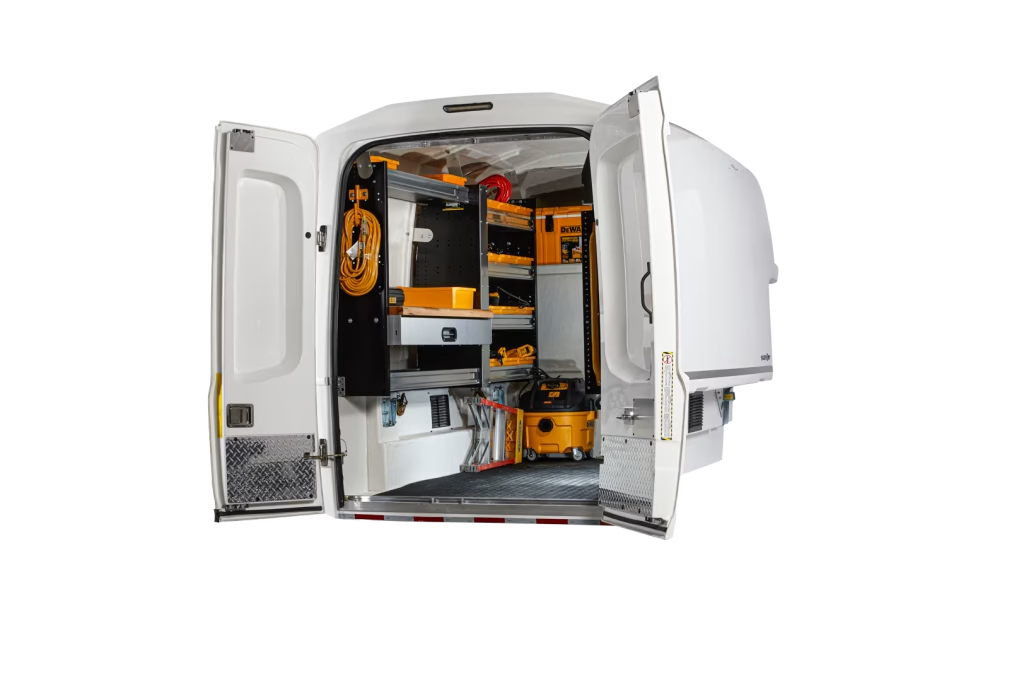
SpaceKap fiberglass service units are designed for installation on pickup trucks, letting companies keep operating without relying solely on traditional service vans. More importantly, these units are transferable: when a truck reaches the end of its life, the unit gets reinstalled on the replacement vehicle. That extends equipment lifespan, protects the original investment, and reduces exposure to whatever the van market is doing that year.
How fast can a transferable unit actually be deployed?
For commercial fleets, speed of deployment is often the deciding factor. A solution delivered in weeks rather than months can be the difference between hitting a project deadline and missing it.
Beyond simply replacing a van, this is a different way to think about fleet asset management:
- Reduce dependency on any single vehicle model
- Maximize the working life of the equipment itself
- Keep crews productive instead of waiting on a delivery date
- Sustain planned growth despite market-wide supply constraints
What track record backs SpaceKap’s approach?
Launched in 1992, the SpaceKap line carries over 30 years of experience designing fiberglass solutions for commercial fleets. The company has worked with organizations like Lockheed Martin and Bombardier, work that reflects the rigor of its manufacturing process. SpaceKap’s U.S. division has grown quickly since its 2025 launch, evidence that demand for a flexible alternative is real, not theoretical.

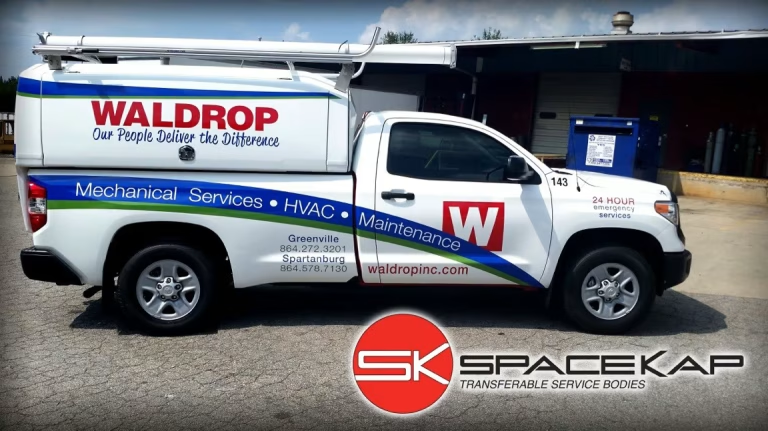
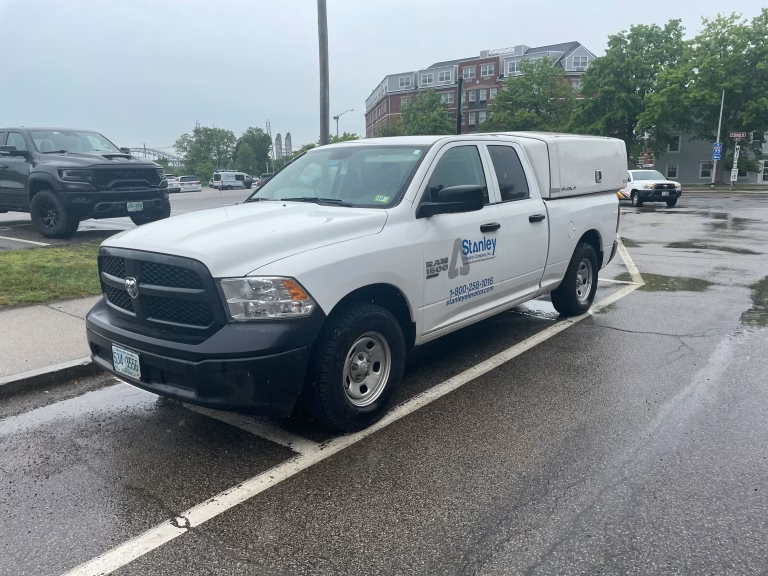
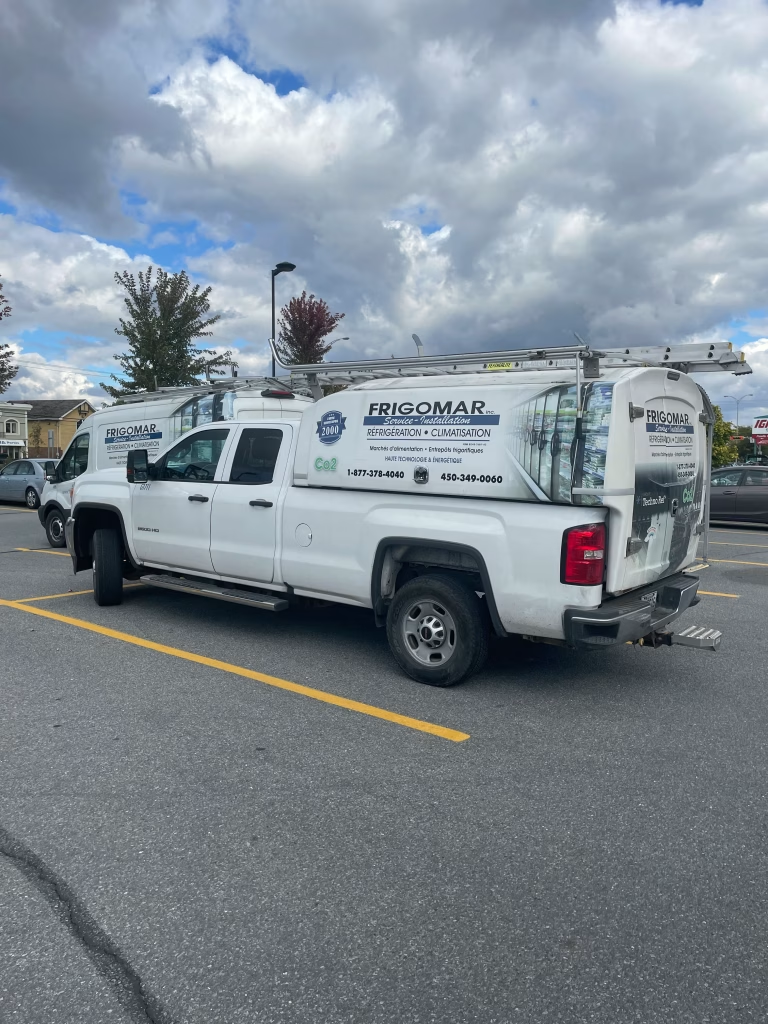
Today, a structured inventory, agile production capacity, and a distribution network spanning North America let SpaceKap respond quickly to companies facing extended delivery timelines in the van market. The most resilient fleets right now aren’t the ones waiting for the ideal vehicle. They’re the ones choosing a solution that can evolve with whatever the supply chain does next. Read more about SpaceKap’s history and manufacturing approach. Spacekap units in service with our customers.
See it on real trucks
Frequently Asked Questions
How long are commercial van delivery delays in 2026?
Delivery timelines for models like the Ford Transit, Ram ProMaster, and Mercedes-Benz Sprinter are currently stretching several months, sometimes up to a year for customized configurations, echoing the pattern from the 2022 shortage.
Why are van manufacturers cutting production capacity?
Electrification has slowed faster than expected: GM ended its Chevy BrightDrop electric van line in October 2025 after weak demand, and manufacturers industry-wide are reallocating capacity away from underperforming EV programs, tightening supply for gas and diesel models too.
What makes a SpaceKap unit different from a traditional service van?
A SpaceKap unit installs on a pickup truck and transfers to a new vehicle when the old one retires, instead of being scrapped along with the van. That extends the equipment’s working life and reduces how exposed a fleet is to van market supply cycles.
How quickly can a business deploy a SpaceKap unit?
SpaceKap maintains a structured inventory and production capacity built to respond to extended delivery timelines in the van market, letting businesses deploy a solution in weeks rather than months.