One of the most critical questions for a business is what vehicle to use for transporting tools and equipment. Here’s how service bodies and service vans actually compare.
Key Takeaways
- A service body sits on a pickup truck frame built to support heavy loads and rough roads, which typically means fewer repairs over time than a van built mainly for paved roads.
- Service vans fit passengers comfortably; service bodies are built for cargo, with limited seating.
- Extra-wide door openings and open-bed options on a service body make loading heavy or long equipment easier than with a van.
What’s the real difference between a service body and a service van?
A service body and a service or cargo van both transport equipment and tools, but there are real differences between them.
Cargo/Utility Van
A service utility van has a large cargo area in the back for storing tools and equipment. Vans are better suited to businesses that only need to transport lighter tools and equipment, given typical door height and payload capacity limits.
Service Bodies
A service body, on the other hand, is a custom-built installation for a pickup or work truck, with compartments and shelves specifically designed to hold tools and equipment. Its main advantage is more storage space than a service van, which makes it a better fit for businesses transporting a lot of tools and equipment to a job site or office.
What questions should actually decide the choice?
What’s the budget?
The pricing gap between a service or cargo van and a service body can be significant. Service bodies often cost more upfront but come with benefits worth the investment.
Evaluating the total cost of ownership matters more than the sticker price: fuel consumption, repairs, and downtime all factor in. Because a service body sits on a pickup truck, it’s built to support heavier loads and rougher roads, which typically means fewer repairs over time. A van’s suspension is built mainly for paved roads; it may save a bit on fuel, but higher repair costs over time can erode that savings.
SpaceKap’s service bodies offer a strong return on investment, built from high-quality, durable materials with real customization options for pickup trucks. That flexibility and low cost of ownership make them a strong value over the life of the vehicle.
Do you frequently travel with people?
Service vans are built for transporting people, with interior space to seat passengers comfortably, and many even include a rear bench for three or more. A service body, by contrast, is designed for carrying cargo like boxes and ladders, with limited seating that isn’t meant for comfortable passenger transport.
What type of equipment do you carry?
Service bodies make loading heavier and longer equipment easier, thanks to extra-wide door openings and open-bed options that let a crew maneuver items in quickly. That same equipment can be loaded into a service van, but it’s more difficult by comparison.
What industry are you working in?
A few industries are especially well suited to service bodies. Construction is the clearest case: a service body gives a pickup truck extra space to store equipment and materials, keeping tools and supplies protected from weather or theft. The food industry is another good fit, since a service body can be equipped with a refrigeration unit for transporting food products.
Plumbing and electrical work can go either way depending on daily needs: a service van offers more interior space at a lower upfront cost, while a service body offers better organization and protection for tools carried daily. Learn more about the trades and fields that benefit from SpaceKap service bodies.
Do you plan to advertise on the vehicle?
Both service vans and service bodies offer a real opportunity to advertise a business. Generally, the bigger the surface area, the more room for a company name, logo, and contact information.
So which option is actually best?
Service bodies and service vans both offer real benefits depending on the business. Service bodies are built for cargo, with extra space for loading heavier and longer equipment, and are especially well suited to construction and food-industry work. Both vehicle types offer solid advertising space.
Ultimately, the right choice depends on specific needs. SpaceKap service bodies are a strong alternative to a service or cargo van. Talk to a SpaceKap expert to find the best fit.
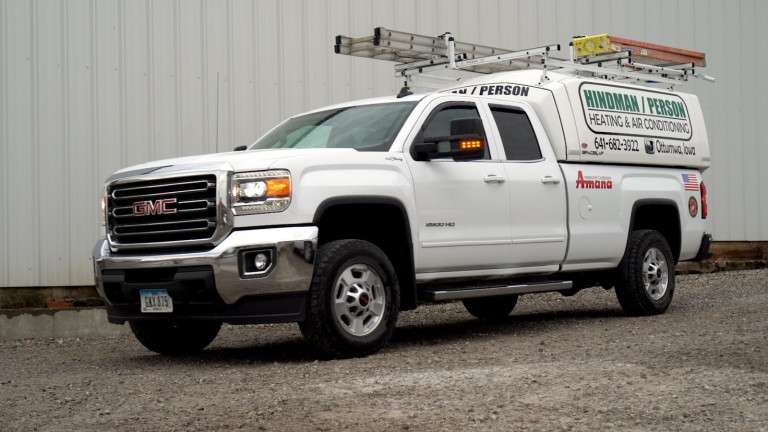
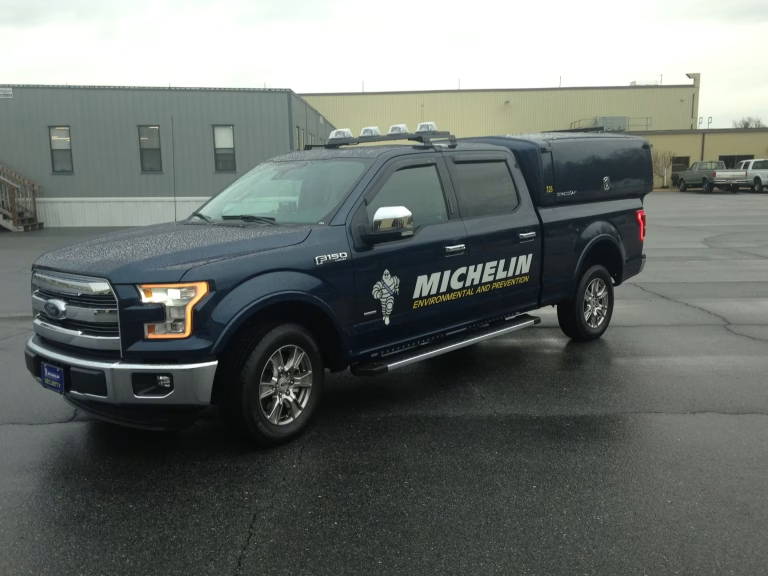
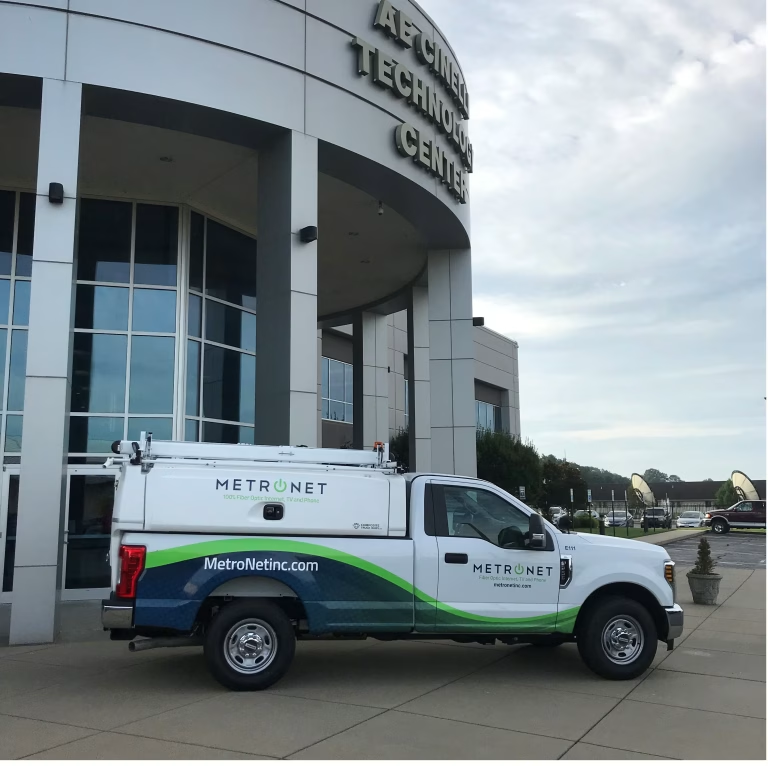
See it on real trucks
Spacekap units in service with our customers.
Frequently Asked Questions
Is a service body or a service van better for carrying passengers?
A service van is better suited to passengers, with comfortable seating and often a rear bench; a service body has limited seating built around cargo, not people.
Which option costs less to maintain over time?
A service body sits on a pickup truck built for heavier loads and rougher roads, which typically means fewer repairs than a van’s suspension, built mainly for paved roads.
Which industries benefit most from a service body over a van?
Construction and food-industry businesses tend to benefit most, thanks to extra storage space, protection from weather and theft, and the option to add refrigeration.